
Electroless nickel plating
Mid- and high-phosphorus electroless nickel to ASTM B733. The coating builds evenly on edges, bores and recesses because no electric current is used.
Variants Mid-phos · High-phos
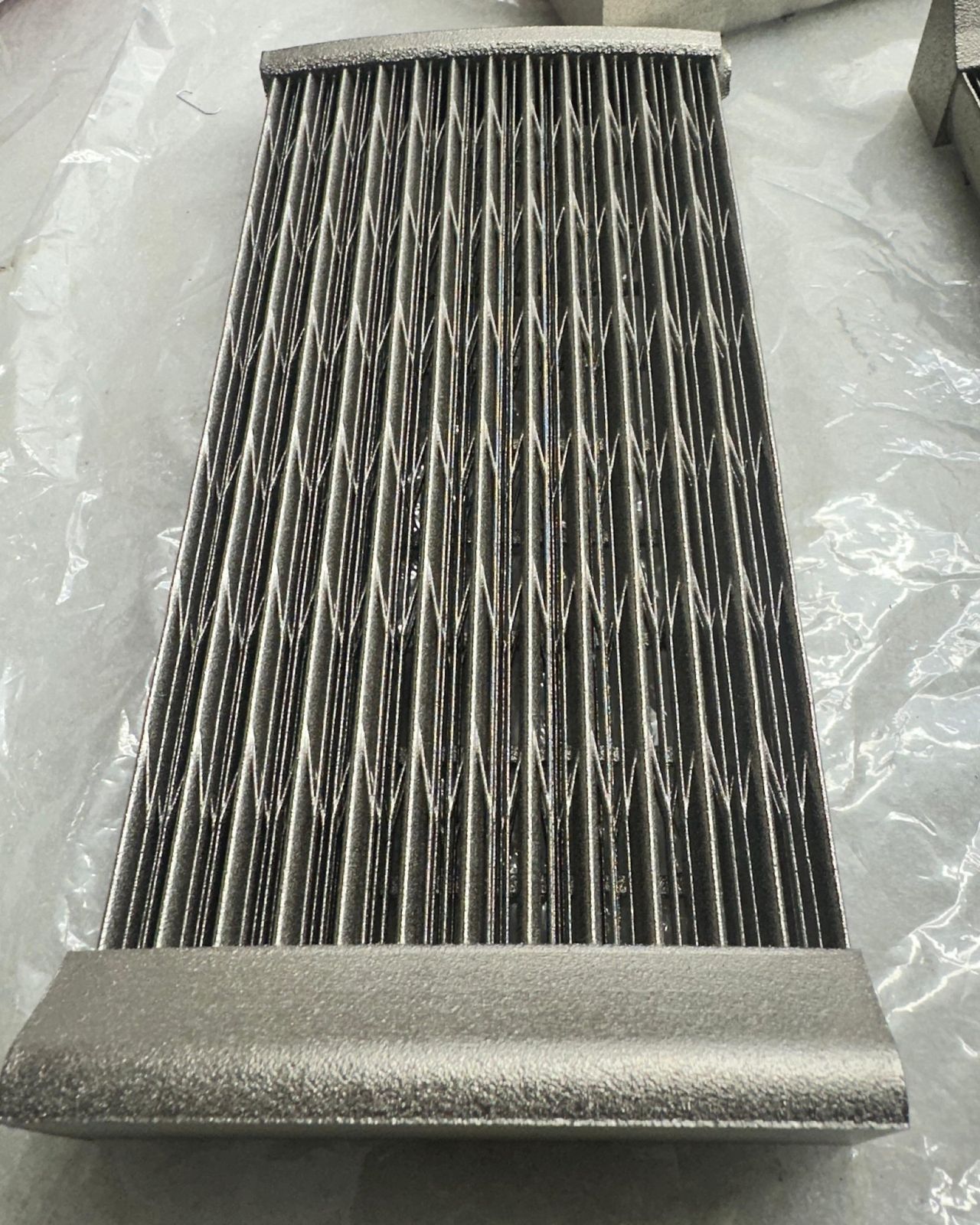
- Part
- Finned part
- Finish
- Electroless nickel
How electroless nickel differs
Electroless nickel is deposited by a chemical reaction in the bath, not by an electric current. Because there is no current, the coating does not build up on edges and thin out in holes. Bores, threads, slots and recesses get close to the same thickness as flat faces. That makes it the usual choice for machined parts with tight tolerances and for complex shapes.
The coating is an alloy of nickel and phosphorus. The phosphorus content changes its properties, so ASTM B733 groups electroless nickel by phosphorus range.
Mid or high phosphorus
| Mid-phosphorus | High-phosphorus | |
|---|---|---|
| Phosphorus | 5–9% (ASTM B733 Type IV) | 10% and above (ASTM B733 Type V) |
| Appearance | Bright to semi-bright | Semi-bright |
| Corrosion resistance | Good | Best, especially in acidic conditions |
| Magnetic | Slightly magnetic | Non-magnetic as plated |
| Typical use | General engineering, wear surfaces | Corrosive environments, RF and electronic parts that must be non-magnetic |
Hardness and adhesion
As plated, electroless nickel is already harder than electroplated nickel. Some drawings call for a bake after plating to raise the hardness further. We do not offer this, so parts are supplied with the as-plated hardness. If your drawing calls for a hardness bake, tell us in your enquiry.
Adhesion is checked by thermal shock: plated parts are heated and then quenched in cold water, and the coating must not blister or flake.
On aluminium
Aluminium needs a zincate pre-treatment before electroless nickel so that the coating bonds properly. Electroless nickel is widely used on aluminium RF filter housings, lids and machined enclosures, often as a base for silver. See electroless nickel plating on aluminium for the choice of phosphorus, tolerances and what to send, and plating on aluminium for how aluminium parts are prepared.
What to put on your drawing or enquiry
- Base material and grade, including the aluminium alloy
- Mid or high phosphorus, or the ASTM B733 type
- Thickness in µm, and any surfaces that must stay uncoated
- Any hardness or heat-treatment requirement
- The plating specification and revision, if you work to one
- Quantity per lot and expected yearly volume
Specifications
We plate electroless nickel to ASTM B733, the standard for autocatalytic nickel-phosphorus coatings. A full callout gives the type (phosphorus range), service condition (thickness for the environment) and class (heat treatment).
| Specification | What it covers |
|---|---|
| ISO 4527 | International standard for autocatalytic (electroless) nickel-phosphorus coatings. |
| SAE AMS 2404 | Electroless nickel plating, used on aerospace drawings. |
| AMS-C-26074 | Electroless nickel coatings, the SAE version of the former military specification MIL-C-26074. |
Send the specification and revision with your drawing and we will confirm whether we can meet it.
Thickness measurement
Electroless nickel thickness is measured on our Fischerscope XRF instrument, which does not damage the part.
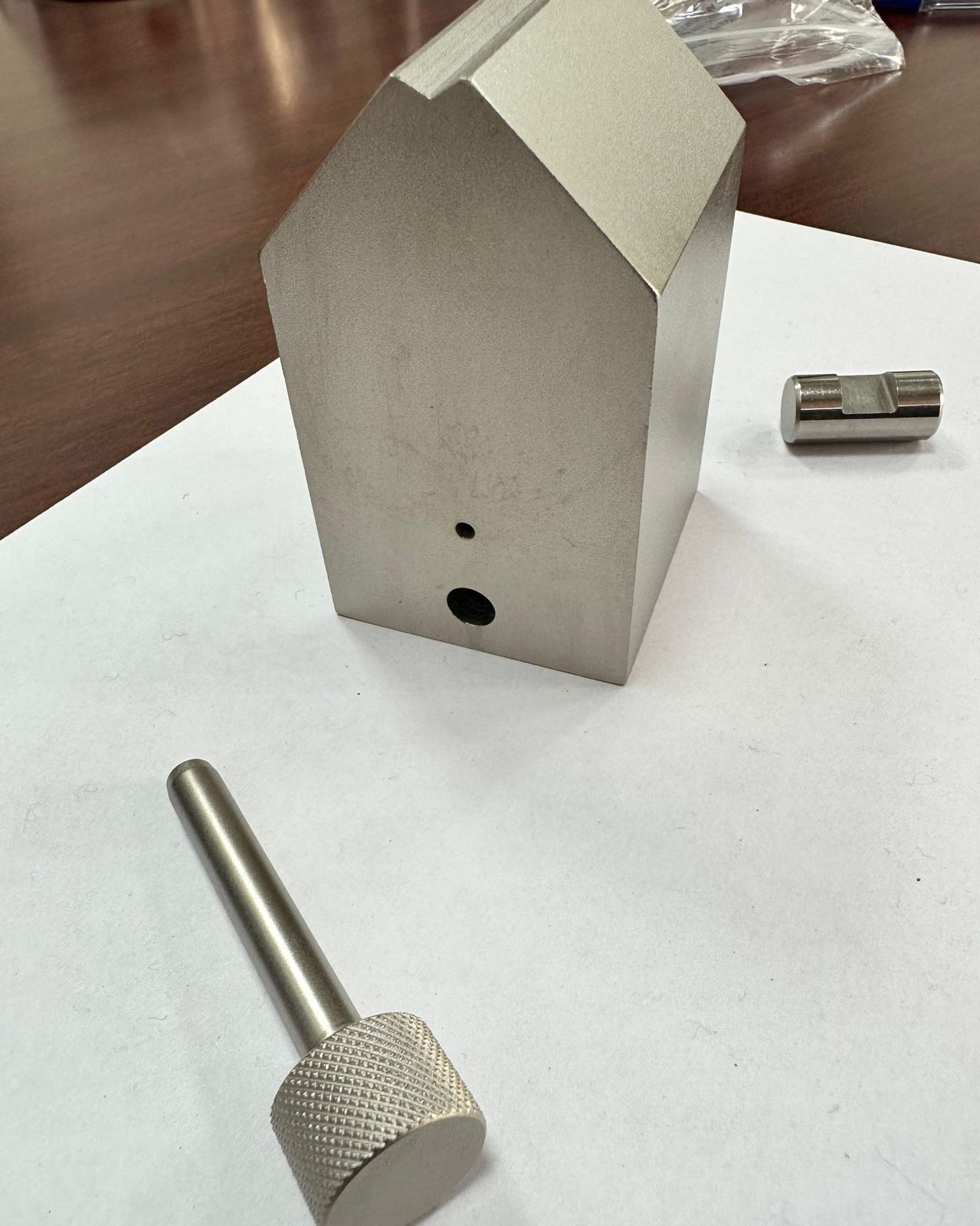
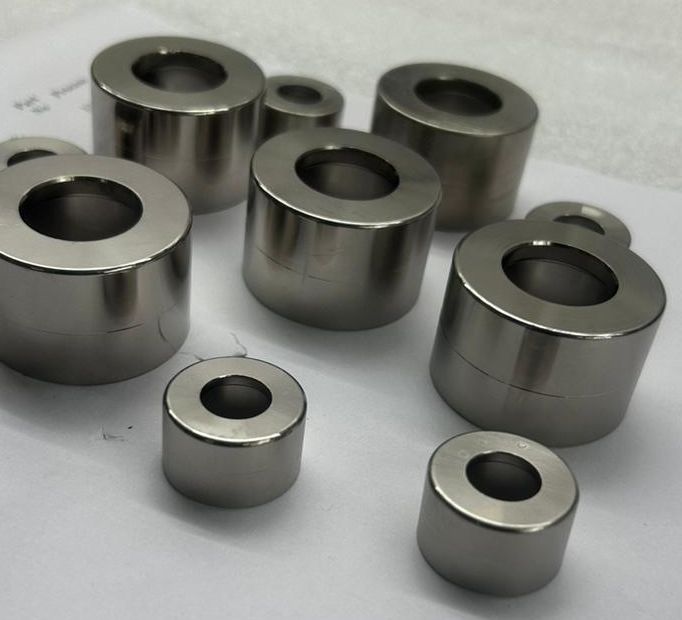
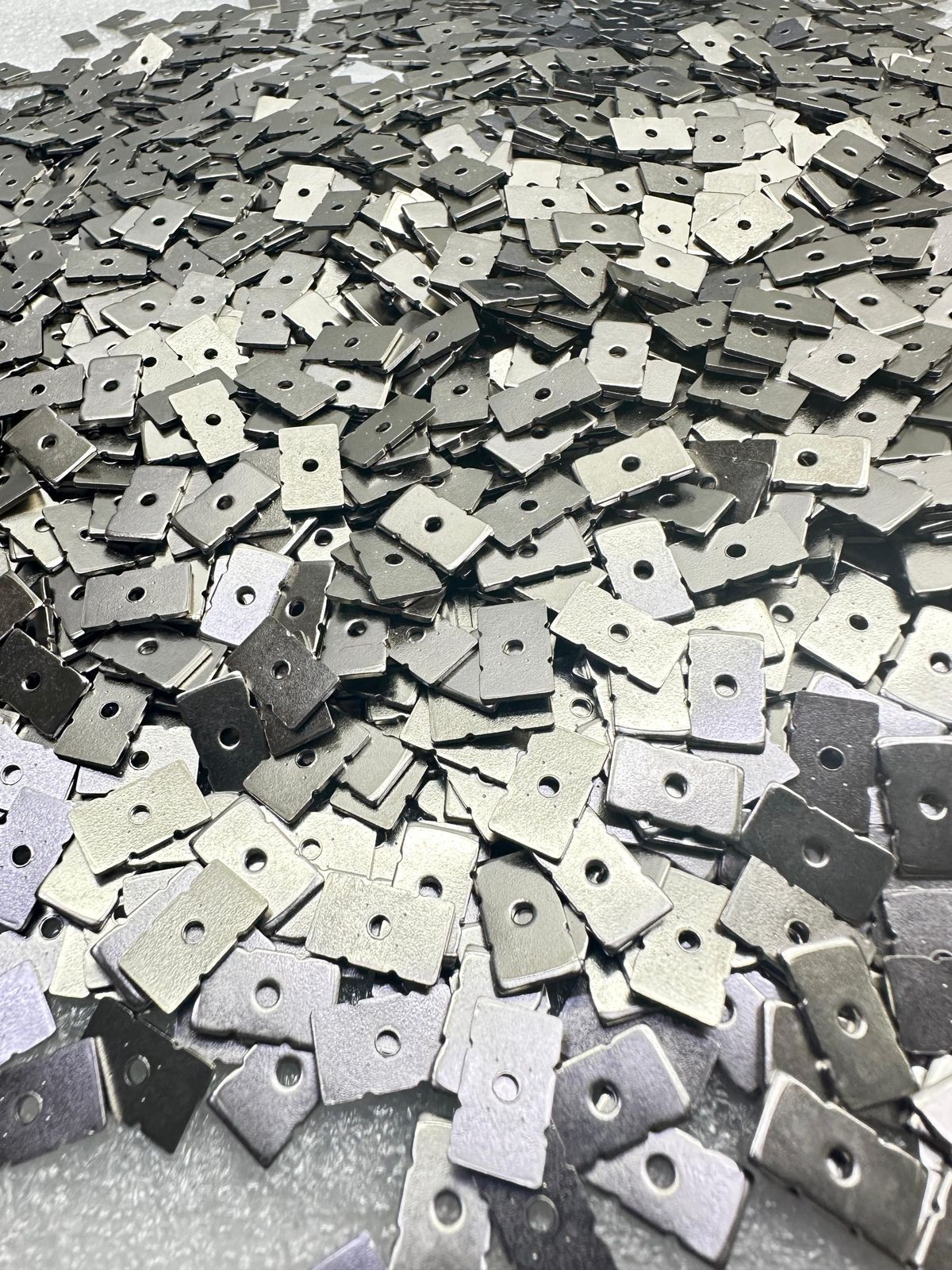
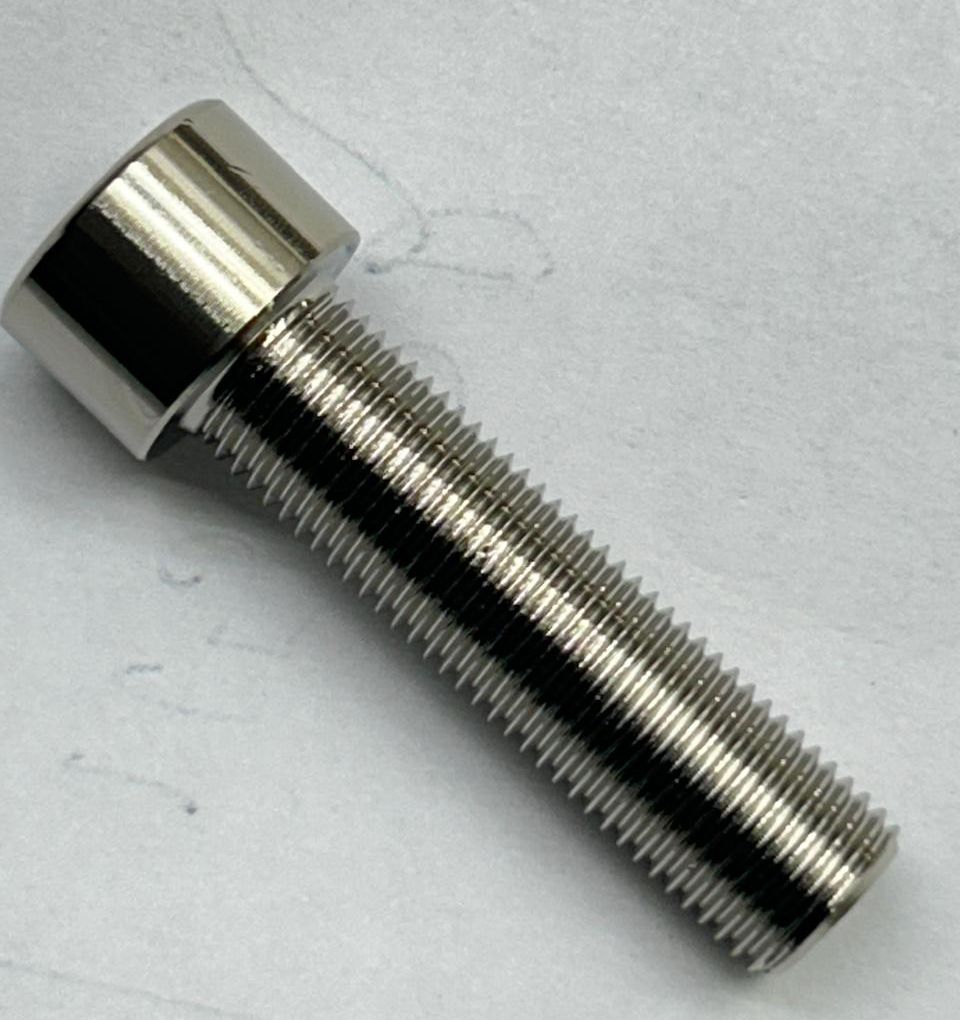
Parts we have plated with electroless nickel
Also consider
Email your drawing for a quote
Attach the drawing and include as much of this list as you can. The more you send, the fewer questions we need to ask before quoting.
- Drawing: PDF, DWG, DXF or STEP
- Base material and grade
- Finish, and thickness in µm
- Quantity per lot and yearly volume
- Areas to mask, if any
- Standard or customer specification