
Tin plating
Bright and matte tin plating for solderable terminals, contacts, lugs and busbars. Plated to the thickness on your drawing and measured in-house by XRF.
Variants Bright · Matte
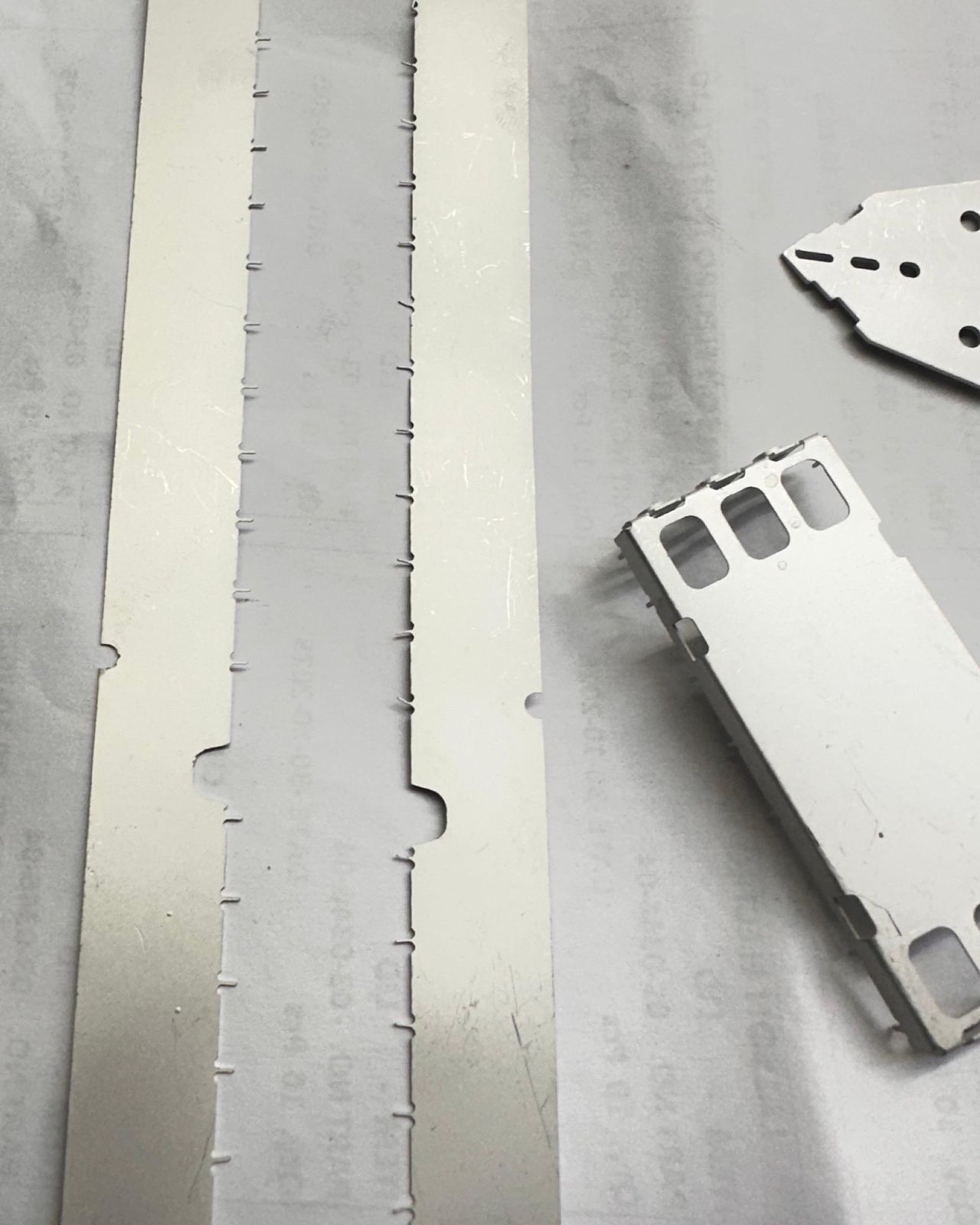
- Part
- Stamped strips
- Finish
- Matte tin
Why tin
Tin is a low-cost, solderable finish that protects copper and brass from corrosion. It is soft, so a tin contact deforms slightly under pressure and makes a good electrical joint. That makes it common on terminals, lugs, busbar joints and connectors that are mated only a few times.
Bright or matte
| Bright tin | Matte tin | |
|---|---|---|
| Appearance | Bright and reflective | Dull grey-white |
| How it is plated | With organic brighteners in the bath | Without brighteners, larger grains |
| Solderability after storage | Can drop off sooner | Holds up better |
| Tin whiskers | More prone | Less prone |
| Typical use | Parts where appearance matters | Electronics, connectors and parts that will be soldered |
Tin whiskers
Tin coatings can grow fine conductive filaments, called whiskers, over months or years, which can short closely spaced conductors. The usual ways to reduce the risk are matte tin rather than bright, a nickel underlayer on copper and brass, and a thicker tin layer. Electronics makers often follow JEDEC JESD201 for whisker acceptance. If your drawing names a whisker requirement, include it in your enquiry.
Underlayers
On copper and brass, tin and copper slowly form a brittle intermetallic layer, which grows faster in heat and eventually reduces solderability. A nickel underlayer slows this down. On brass, a copper or nickel underlayer also stops zinc from reaching the tin surface.
What to put on your drawing or enquiry
- Base material and grade
- Bright or matte tin
- Tin thickness in µm, and any underlayer
- Areas to plate or mask
- Solderability or whisker requirements, if any
- The plating specification and revision, if you work to one
- Quantity per lot and expected yearly volume
Specifications
| Specification | What it covers |
|---|---|
| ASTM B545 | Electroplated tin coatings. |
| ISO 2093 | International standard for electroplated tin coatings and their test methods. |
Send the specification and revision with your drawing and we will confirm whether we can meet it.
Thickness measurement
Tin thickness is measured on our Fischerscope XRF instrument, including tin over a nickel or copper underlayer.
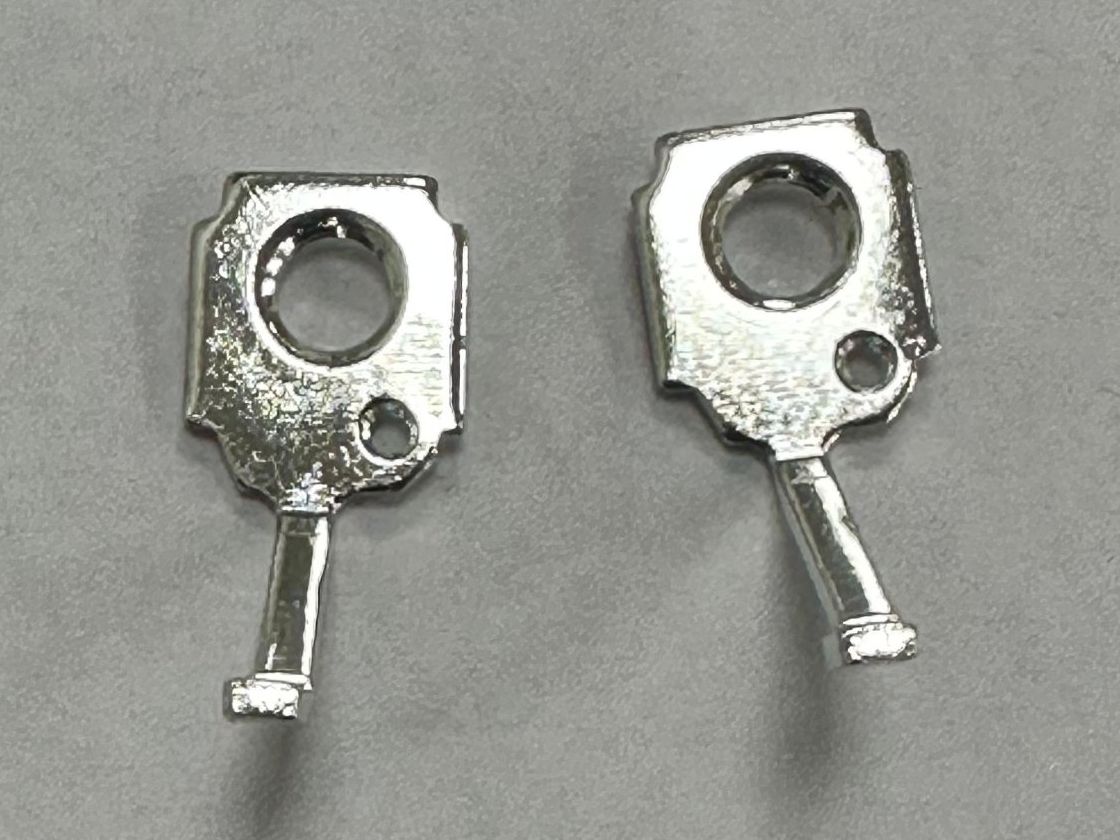
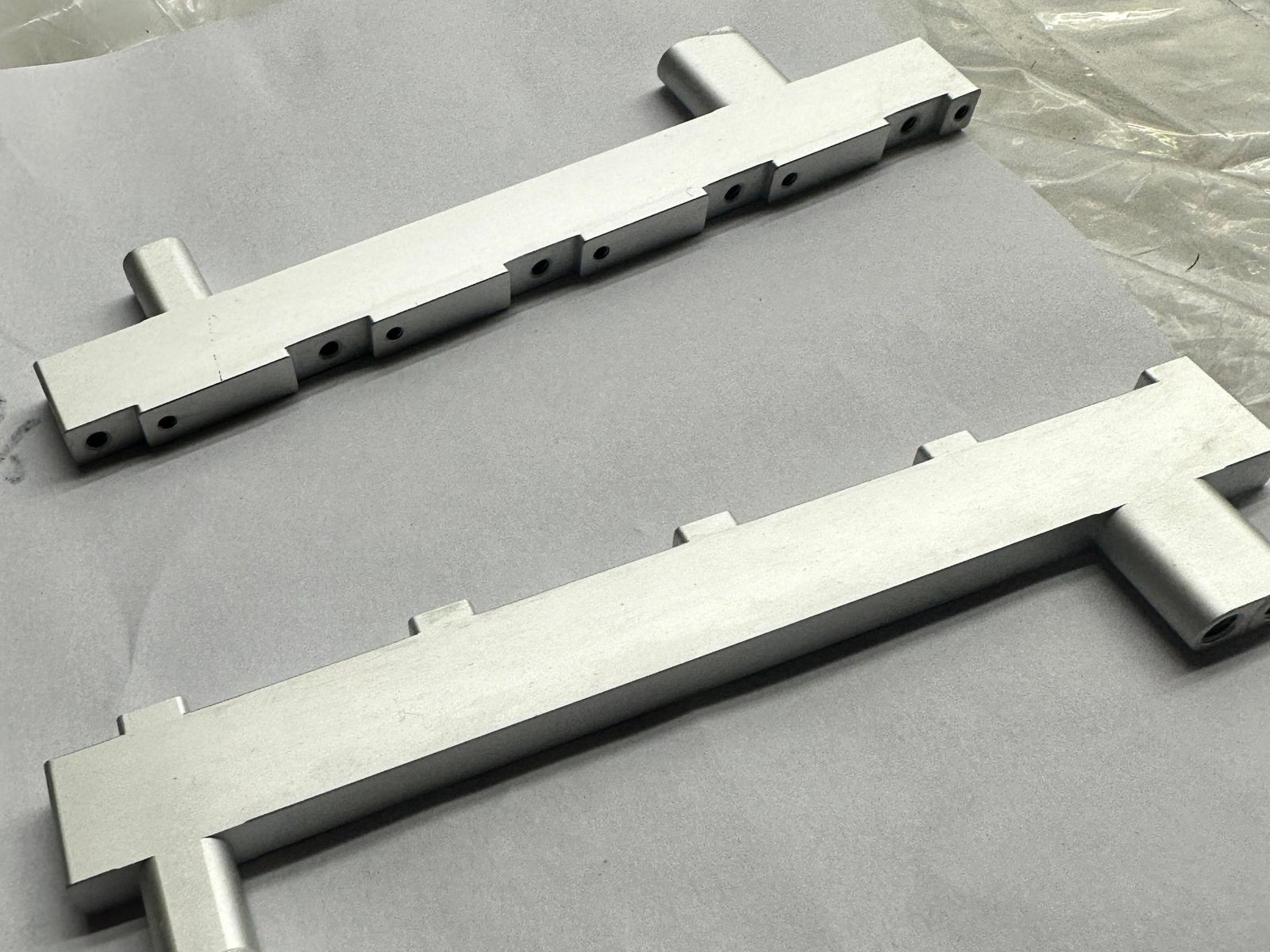
Parts we have tin plated
Also consider
Email your drawing for a quote
Attach the drawing and include as much of this list as you can. The more you send, the fewer questions we need to ask before quoting.
- Drawing: PDF, DWG, DXF or STEP
- Base material and grade
- Finish, and thickness in µm
- Quantity per lot and yearly volume
- Areas to mask, if any
- Standard or customer specification